
The Experience
Calder House is designed around slowness, presence, and shared time. Days unfold with light structure and generous space, allowing creativity to emerge naturally rather than on demand.
The Rhythm of the Days
There is no rigid timetable at Calder House. Instead, each day follows a natural rhythm—guided, but unforced.
Mornings begin slowly, often with coffee, quiet conversation, and breakfast shared around the table. One gentle creative gathering brings the group together, offering a prompt or invitation rather than an assignment. From there, the day opens.
Much of the time is unstructured by design. Guests move between the studio, the porch, the surrounding fields, or a quiet corner of the house, following curiosity rather than obligation. Meals act as natural anchors—moments when everyone comes back together, nourished by food and conversation.
Evenings soften into shared quiet, reflection, and rest. There is nothing to keep up with and nowhere else to be. The rhythm is simple, spacious, and intentionally human.
But I Can’t Draw
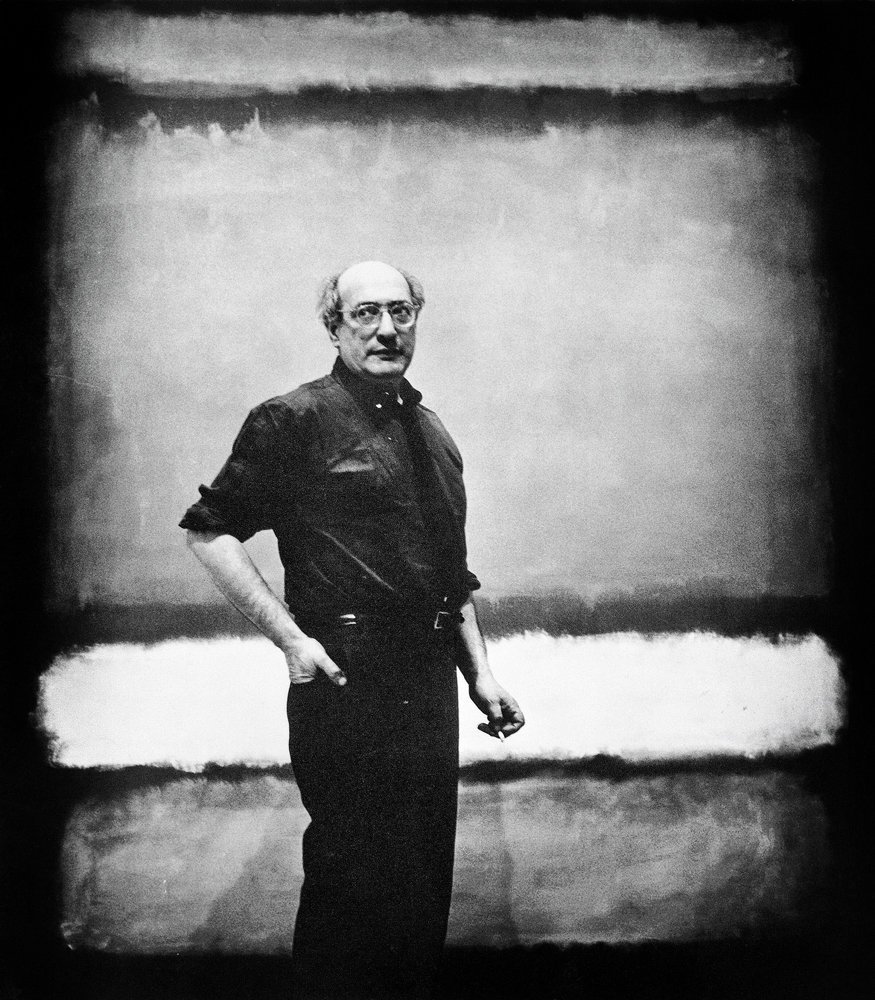
Neither could Franz Kline, Mark Rothko, or Jackson Pollock.
It’s true. Many celebrated artists were not known for their ability to draw in the traditional sense—the familiar test of how well one can draw a horse. But drawing a convincing horse is a technical skill, something that can be learned with time and practice. What matters more is drawing the horse that feels right—the imperfect one that carries emotion, presence, and intention.
Those imperfect horses are infinite. A whole herd of them lives quietly inside each of us, waiting for permission to emerge.
But I Can’t Draw is a no-pressure, laid-back creative experience where judgment is kindly left behind at the door. We gather to explore, to play, and to rediscover the simple joy of making art. Neil facilitates an open, welcoming atmosphere of sharing and receiving, helping insecurities soften and self-doubt step aside so creativity can move freely and without fear.
Sessions draw from a range of accessible approaches—mixing materials, working with paper and found objects, and gentle drawing exercises rooted in observation and nature. Everything is adaptable to the group. Nothing is about being “good.” The goal is confidence, curiosity, and the quiet satisfaction of having made something that didn’t exist before.
Where We Create
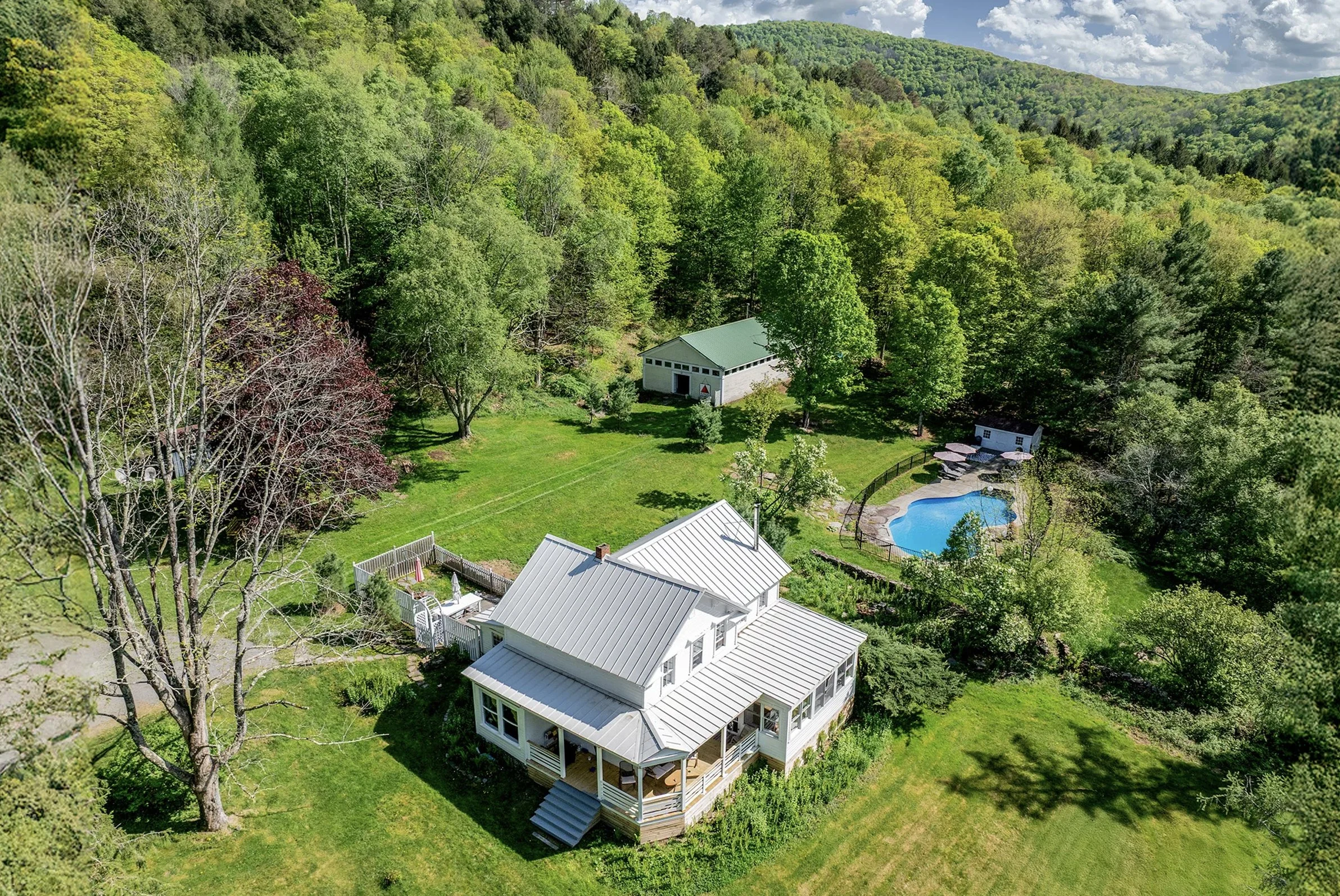
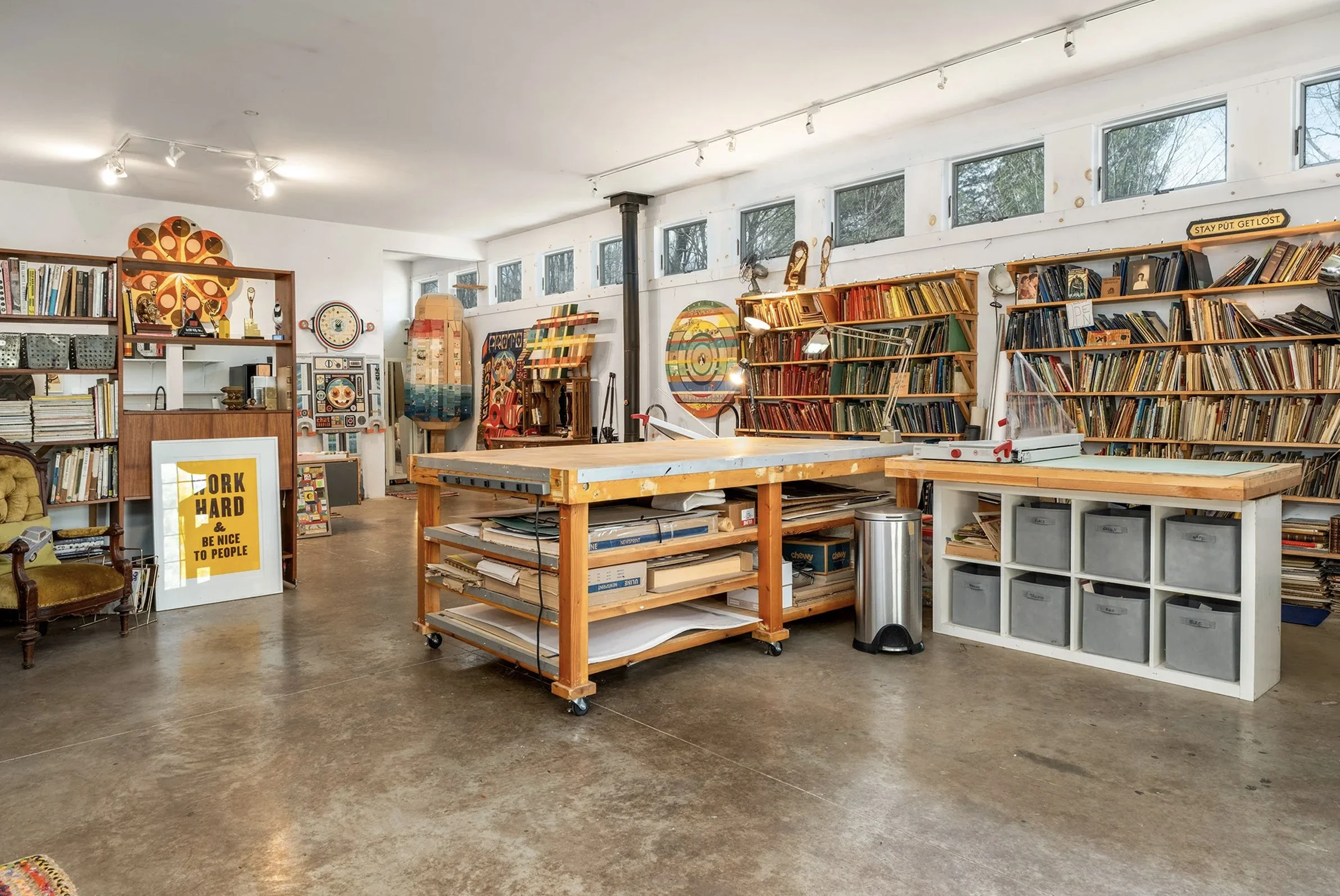
Creation at Calder House isn’t confined to a single room. The studio serves as a home base—comfortable, light-filled, and stocked with simple materials—but it’s only one part of a larger creative landscape.
As weather allows, sessions move outdoors: onto the wraparound porch, into open fields, or beneath the trees where the pace naturally slows. Sometimes the work is quiet and focused. Other times it’s loose, conversational, and shaped by whatever catches the eye—a shifting shadow, a scrap of paper, the sound of wind moving through pine.
Nature here is not a backdrop or a subject to be copied. It’s a collaborator. The environment invites attention, patience, and presence, gently influencing what gets made without ever demanding an outcome.
You’re free to move between spaces throughout the day, following light, mood, and curiosity. Wherever you land, the intention remains the same: to create in a way that feels grounded, unforced, and fully your own.
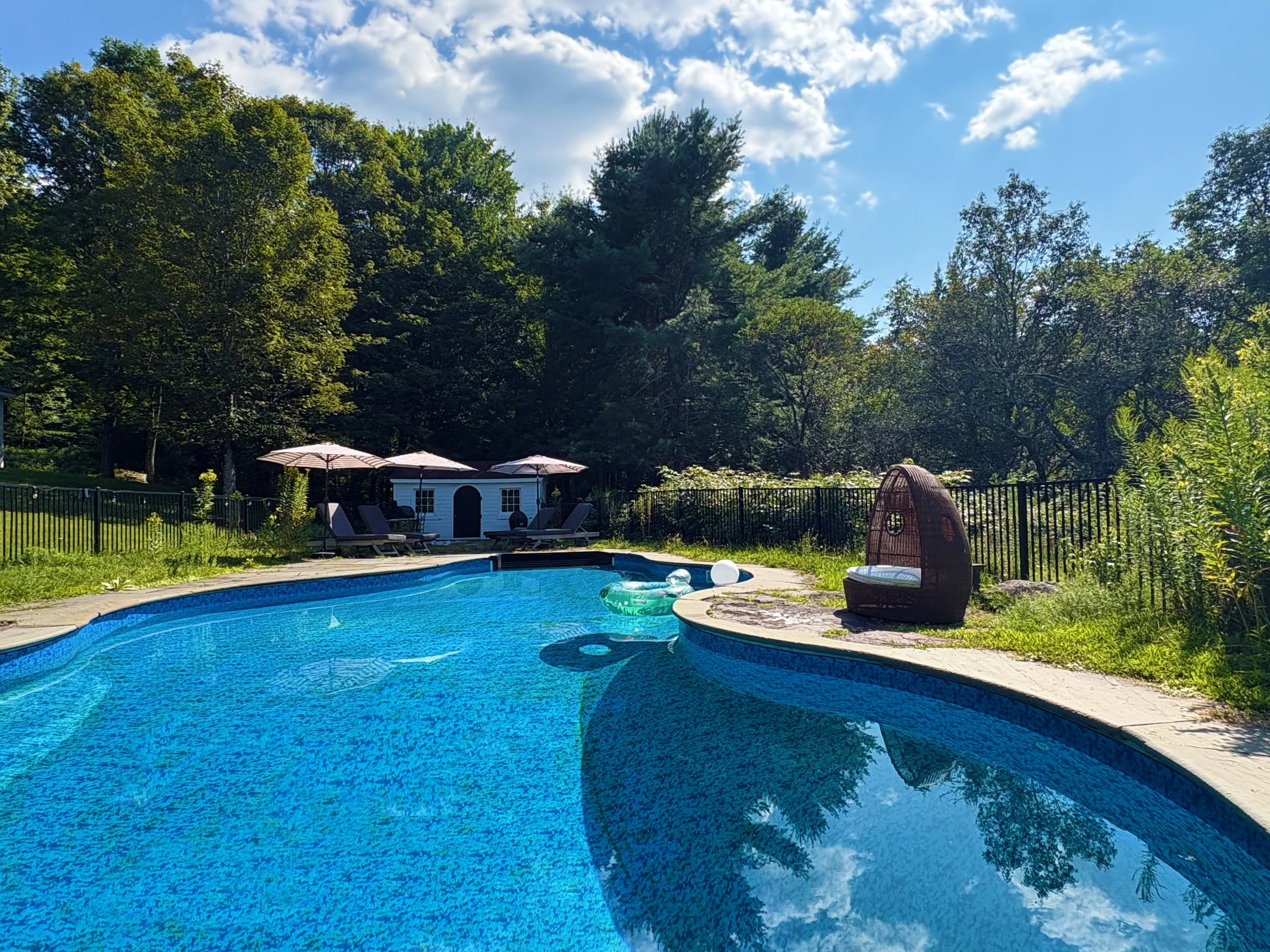
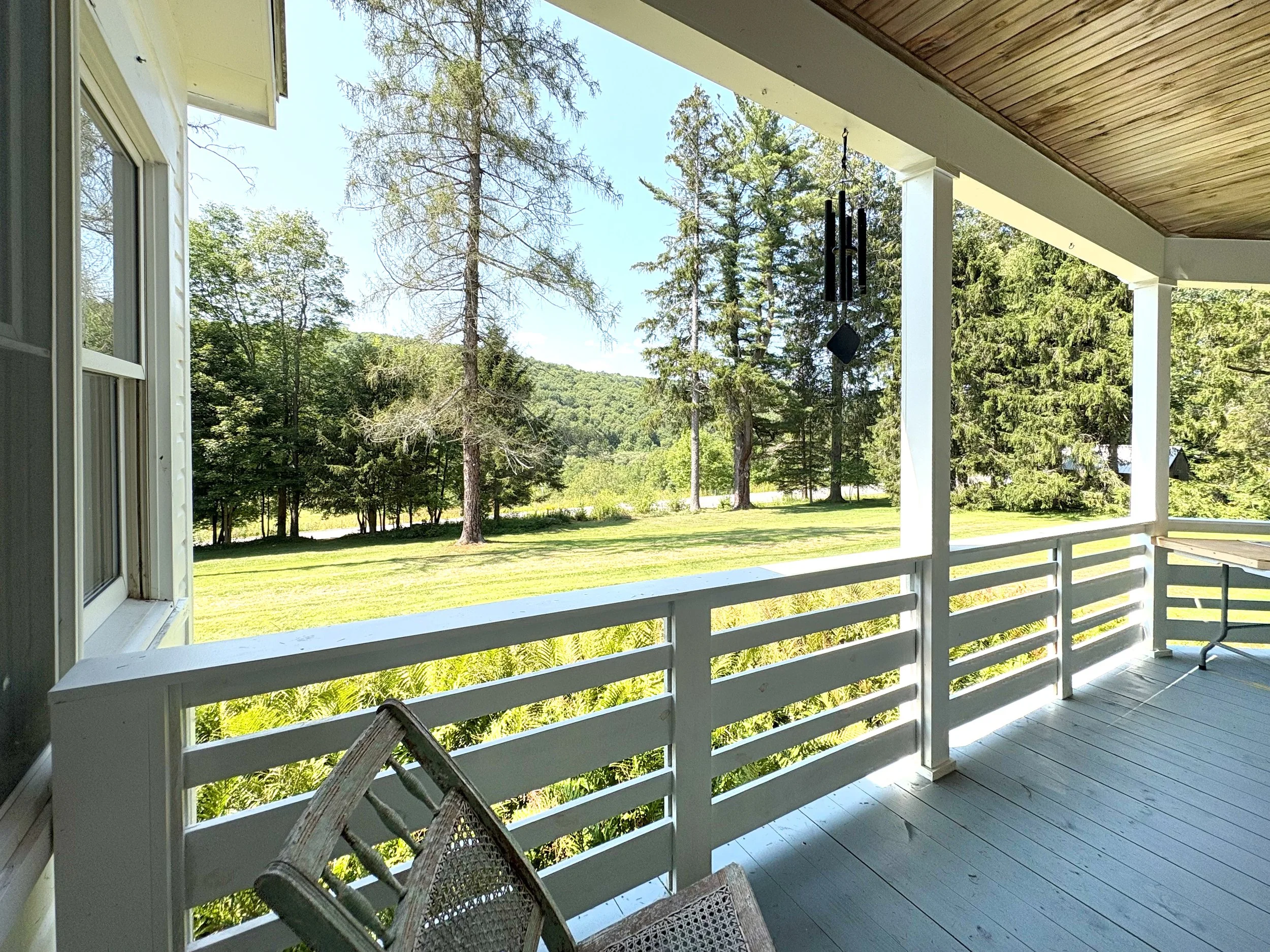
The Calder House experience works best for groups who already share a connection and feel comfortable spending a few days together in a shared home.
It’s especially well suited for people who:
Are curious about creativity but don’t identify as artists
Enjoy making things without pressure or performance
Value conversation, good food, and time in nature
Are open to slowing down and letting the days unfold
Prefer guidance and structure without rigidity
This experience may not be the right fit if you’re looking for a highly scheduled retreat, technical art instruction, or a results-driven workshop. Calder House is intentionally spacious, human, and unhurried—designed for presence rather than productivity.
Who This Works Best For
Next Steps
If this way of working resonates, the next step is simply to reach out.
Most groups come to Calder House through one person who gathers their circle. An initial conversation helps clarify timing, group size, and whether the experience feels like a good fit for everyone involved.